Dencow: A Playful Script Font for Crafters
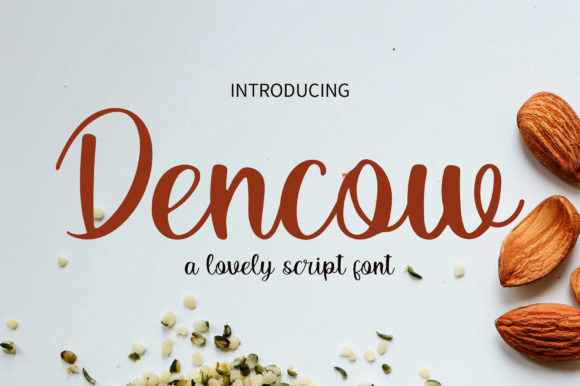
As a maker who spends hours perfecting the curve of a vinyl cut or adjusting the kerning on a wedding invitation template, I know that the right typeface does more than just convey words. It sets the mood. It creates an emotional connection before the customer even reads the message. That is why discovering Dencow felt like finding a missing piece in my design toolkit. This lovely script font features charming, playful characters that seem to dance along the baseline, bringing a sense of movement and joy to every project it touches.
For those of us running small shops, creating printables, or designing handmade goods, finding a balance between whimsical charm and professional readability is often the hardest part of the design process. Dencow strikes this balance beautifully. It is not just another decorative element; it is a versatile creative asset that can elevate your brand identity and make your products stand out in a crowded marketplace.
Bringing Personality to Handmade Products
The visual personality of Dencow is distinctively warm and inviting. Unlike rigid, formal scripts that can feel cold or distant, Dencow has a hand-drawn quality that resonates with the ethos of the handmade community. When you use this font on physical products, it adds a layer of authenticity. Customers are drawn to items that feel personal and crafted with care, and the organic flow of Dencow’s letters mimics the natural variation of human handwriting.
I have found this font particularly effective for product labels and packaging. Imagine a small batch of soy candles or artisanal soaps. A label featuring Dencow immediately communicates that the product inside is special, unique, and made with love. The way the characters dance along the baseline creates a dynamic look that catches the eye on a shelf or in an online thumbnail. Whether you are designing tags for boutique clothing, stickers for planner enthusiasts, or headers for your thank-you cards, Dencow adds that extra touch of polish that distinguishes a hobbyist project from a professional brand.
Versatility Across Craft Projects
One of the most valuable aspects of adding Dencow to your library of design assets is its versatility. While it is undoubtedly a display font meant to shine in titles and short phrases, its applications are vast. Here are several ways you can integrate this script font into your current and future projects:
- Wedding Stationery: Use Dencow for couple names on save-the-dates, welcome boards, or menu cards. Its playful nature works wonderfully for casual, rustic, or bohemian weddings where strict formality is not the goal.
- Greeting Cards and Invitations: From birthday invites to baby shower announcements, the charming characters add a celebratory tone. It pairs exceptionally well with floral illustrations or watercolor backgrounds.
- Home Decor and Signs: For Cricut and Silhouette users, Dencow cuts cleanly for vinyl wall art, wooden farmhouse signs, or nursery decor. The connected letters create a cohesive look that is easy to weed and apply.
- Digital Printables: If you sell digital downloads, such as planner pages, quote prints, or social media templates, Dencow can serve as the focal point of your design, drawing attention to key messages or headlines.
- Apparel and Merchandise: Apply Dencow to tote bags, t-shirts, or mugs. Its readability ensures that the message remains clear even when printed on fabric or curved surfaces.
Readability and Practical Design Tips
While the aesthetic appeal of a script font is crucial, practical usability is what keeps customers coming back. Dencow is designed with clarity in mind, but like any handwritten font, it requires thoughtful application. It is best suited for short phrases, names, titles, and decorative wording rather than long paragraphs of body text. Using it for lengthy descriptions can reduce readability and strain the reader’s eyes.
When working with cutting machines, always check the connections between letters. Dencow’s dancing baseline means that some characters may have unique entry and exit points. Perform test cuts on scrap vinyl or cardstock to ensure that the bridges between letters are strong enough to hold together during weeding but thin enough to look elegant. For small stickers or product labels, avoid using the font at extremely small sizes. If the details become lost, consider increasing the letter spacing slightly or choosing a bolder weight if available in the font family.
Mockup previews are essential. Before finalizing a design for a mug or a shirt, visualize how Dencow looks in context. Does the playful nature of the font match the product? For example, Dencow might feel out of place on a ultra-modern, minimalist tech accessory, but it would be perfect on a cozy knit blanket tag or a children’s book cover.
Mastering Font Pairing for Brand Consistency
To maximize the impact of Dencow, understanding font pairing is key. A expressive script font like this needs a supportive partner to create visual hierarchy and balance. Here are some effective combinations:
- Script and Sans Serif: Pair Dencow with a clean, modern sans serif font. The simplicity of the sans serif grounds the playfulness of the script, making the design feel contemporary and organized. This is ideal for logos and packaging design.
- Script and Serif: For a more traditional or elegant look, combine Dencow with a simple serif font. This works well for wedding invitations and high-end boutique branding, adding a touch of sophistication to the whimsical script.
- Contrast in Weight: If Dencow is light and airy, pair it with a bold, heavy display font for headings. This contrast draws attention to the script while ensuring the overall composition feels balanced.
Consistency in font pairing helps build brand recognition. If you use Dencow for your logo and primary headings, stick with the same supporting fonts across your social media graphics, website, and product packaging. This cohesive approach strengthens your brand identity and makes your shop instantly recognizable to returning customers.
Technical Considerations and Licensing
Before purchasing any premium font, it is important to review the technical specifications. Check if Dencow includes alternates, ligatures, or swashes. These features allow you to customize the look of your text, preventing repetitive patterns in longer words and adding unique flair to monograms. Additionally, verify multilingual support if you plan to sell internationally or create designs in multiple languages.
File formats matter too. Ensure you receive the necessary files for your workflow, such as OTF or TTF for desktop design software, and web fonts if you plan to use the typeface in web design or email newsletters. For crafters using cutting machines, having the font installed correctly on your system is vital for seamless integration with design apps.
Finally, always review the commercial font licensing terms. As a seller of physical products, templates, or digital downloads, you need to ensure that your license covers commercial use. Most premium fonts allow you to sell end products like printed cards, shirts, and signs, but restrictions may apply to selling the font file itself or using it in logos for resale. Understanding these boundaries protects your business and respects the creator’s work.
Incorporating Dencow into your creative process is more than just a design choice; it is a strategic move to enhance the appeal and perceived quality of your products. By leveraging its charming, playful characters, you can create designs that resonate emotionally with your audience, driving engagement and sales. Whether you are crafting a single gift or building a full product line, let Dencow help your ideas dance off the page and into the hands of happy customers.